Horse Property in St. George & Southern Utah | Equestrian Homes and Acreage
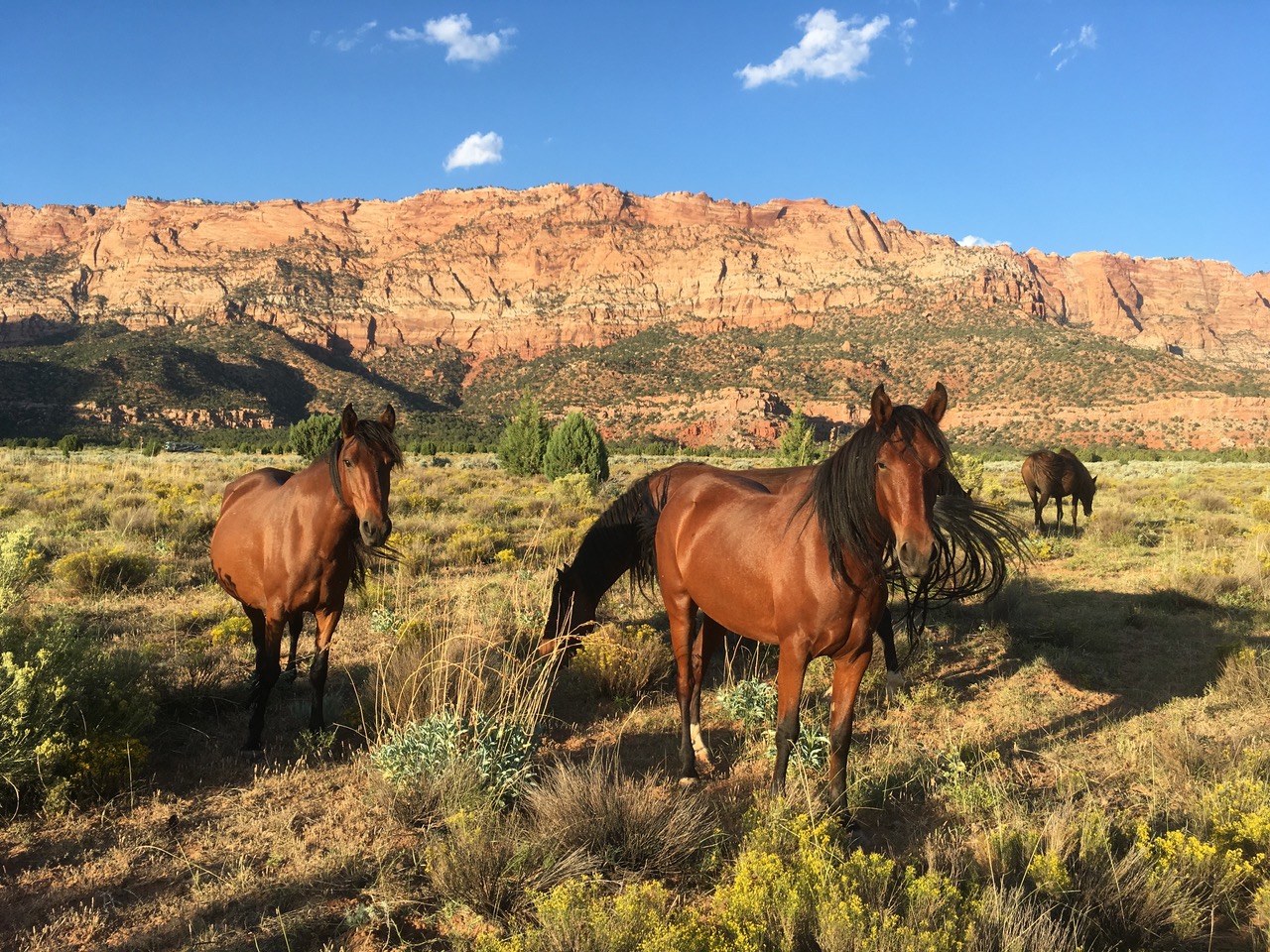
Southern Utah equestrian land with open grazing, barn potential, and the kind of scenery you can't find in most horse markets.
Finding genuine horse property in Southern Utah takes patience and local knowledge. The good ones, with the right combination of usable acreage, practical water, trailer access, and zoning that actually supports what you want to do, don't come up every week. And when they do, the details that matter almost never appear in the listing description.
This page is for serious equestrian buyers who know what they need and want to cut through the noise. It covers what makes a Southern Utah horse property actually work, where the best areas are and why, the water and zoning questions that decide everything, and what build-out costs look like if you're starting with raw land or a minimal setup.
Why Southern Utah is Legitimate Horse Country
The public infrastructure backs the claim. Washington County's Legacy Park in Hurricane runs indoor and outdoor arenas with a groomed track and hosts the county fair, which drew around 60,000 people this April complete with an RMPRA rodeo, a 4-H horse show, barrel racing, and team sorting. Hurricane also operates the American Legion Equestrian Park, where the practice arena is free to the public and the main arena with grandstands rents for $250 a day. Downtown St. George just finished a full renovation of the historic Dixie Sunbowl, which hosts the Dixie Roundup rodeo September 17 through 19 this year, a tradition running since 1934. And the trail access is real: the Red Cliffs Desert Reserve allows horses with right-of-way over other users, permitting cross-country travel in its upland zone and designated trails in the lowland zone, and Confluence Park's 11 trails between La Verkin and Hurricane are open to riders. Boarding operations and equine vets round out the support system. For year-round riding weather, nothing along the Wasatch Front compares, which is why buyers searching for equestrian property anywhere in Utah keep ending up looking here.
Most people think of Southern Utah as a hiking and off-road destination. Horse people know it differently. The BLM land surrounding Dammeron Valley, the open range around New Harmony and Enterprise, and the trail access out of areas like Winchester Hills give you riding country that is genuinely hard to find this close to a city with real services.
The climate is a significant factor. Southern Utah's mild winters mean year-round riding without the mud, frozen ground, and six-month hibernation that horse owners in most of the country deal with. You can ride in January. You can work horses in February. And the red rock terrain, from flat sandy washes to gradual desert trails, is varied enough to keep most horses and riders engaged without having to trailer out to find interesting ground.
The tradeoff is heat in summer. July and August are genuinely hot in the valley, and most serious riders adjust to early morning or evening work during peak summer months. Higher-elevation areas like Dammeron Valley and New Harmony run 10 to 15 degrees cooler than St. George proper, which is worth factoring in if summer riding matters to you.
What Makes a Southern Utah Property Actually Horse-Ready
Acreage alone doesn't make a horse property. In Southern Utah specifically, these are the variables that separate a property that works from one that looks good in photos:
Zoning and Animal Allowances
Washington County and the incorporated cities each have their own animal allowance rules tied to zoning classifications. The number of horses permitted per acre varies, and it's not always one horse per acre. Some agricultural zones allow more; some rural residential zones are more restrictive. HOA and CC&R restrictions can override county zoning even on seemingly rural properties. I verify both the zoning allowances and any deed or HOA restrictions early in the process.
Water: The Most Important Variable
Water in Utah is more complex than most out-of-state buyers expect, and it's worth understanding before you start touring.
- Culinary water is treated, pressurized municipal or district water. It's available in most areas with existing infrastructure and is what horses drink from.
- Irrigation water or secondary water is untreated water delivered through a separate system, typically for outdoor irrigation, pasture, and landscaping. In many Southern Utah rural areas, irrigation water shares are separate assets that may or may not convey with the property.
- Water shares are ownership interests in a water company or canal company. If a property has them, they can significantly affect pasture viability and dust control. If it doesn't, adding irrigation capability later can be expensive or impossible depending on availability.
- Wells exist on some rural properties but are not universal. Well depth, yield, and water quality vary significantly by location and require testing and verification.
Water is the most common deal-killer on Southern Utah horse property. Two properties with identical acreage and similar prices can have completely different water situations: one with culinary plus irrigation shares and one with culinary only. That difference affects pasture, hay, dust control, and long-term operational cost. I review the water situation in detail on every equestrian showing.
Usable Acreage vs. Total Acreage
The acreage number in a listing is total acreage. How much of it is actually usable for horses is a different number. Slopes, rocky outcroppings, wash encroachments, floodplain designation, setback requirements, and easements can all reduce the functionally usable area significantly. A 5-acre parcel with two acres of wash and a steep hillside might have 2.5 acres of real use. I walk the usable footprint on equestrian showings, not just the property lines.
Trailer Access and Turnaround
A standard two-horse trailer needs a minimum 60-foot straight run to back safely. A four-horse slant load with living quarters needs more, and if the driveway or approach is steep, narrow, or requires a tight turn, it can be functionally impossible regardless of what the property otherwise offers. I evaluate this specifically on equestrian showings, and it eliminates more properties than buyers expect.
Soils, Drainage, and Arena Potential
Southern Utah soils vary considerably. Some areas have good, workable decomposed granite base that drains well and compacts reasonably for a working surface. Others have clay-heavy soils that hold water and become difficult in wet conditions. If you're planning an arena, even a basic working pen, knowing what you're building on matters for both footing and drainage design.
Best Areas for Horse Property Near St. George
Market reality check, September 1, 2026: this is a thin, high-stakes market. Counting equestrian listings sitting on five acres or more, Washington County has 29 active or pending, at a median asking price of $1.42M and a range from $249,000 to just under $15M. Inside St. George city limits there is exactly one. Thin inventory cuts both ways: buyers need someone watching new listings daily and moving fast on the right parcel, and sellers of correctly set-up horse property hold a scarce asset that deserves patient, targeted marketing rather than a quick price cut. Both of those are my job.
The only community in St. George with a private equestrian center on-site. 106 lots, lighted riding arena, horse stabling, turnout areas, and a horse walker, all within city limits. Adjacent to the 30-acre Seegmiller Historical Farm. Equestrian membership is optional and separate from the base HOA. Stall availability varies so verify early in the process.
- In St. George, full city services and amenities
- Private arena, stabling, and turnout on-site
- HOA: $40/month; equestrian stalls $5,000 + $35/month per horse
- Adjacent to Seegmiller Historical Farm
Best for: Buyers who want on-site equestrian infrastructure without leaving St. George.
The most established horse-country feel within easy distance of St. George. Sits at about 4,500 feet elevation, noticeably cooler than the valley, more vegetation, and a genuine rural atmosphere. BLM access is close, with trail riding options directly out of many properties. Properties range from 2-acre parcels to larger acreage with established barn setups.
- ~25 minutes from central St. George
- Cooler summers, mild winters
- Good BLM trail access
- Mix of horse-established properties and raw land
Best for: Buyers who want the most authentic horse-country feel with reasonable town access.
Established St. George neighborhood with larger lots and a genuine equestrian character, all within city limits. A good option for buyers who want horses nearby without the rural commute. Homes here tend to be more established with mature landscaping and a settled community feel. Little Valley in south St. George also has some larger lots where horses are permitted depending on the specific parcel and zoning.
- Inside St. George city limits
- Larger lots with animal allowances
- Established, mature neighborhood character
- Full St. George services and proximity
Best for: Buyers who want horses and city convenience in one location.
Unincorporated Washington County community about 20 minutes north of St. George on Highway 18. No HOA on any property. Most lots run close to an acre. Horse privileges standard. Sits at 4,500 feet, about 10 degrees cooler than the valley. Two extinct cinder cone volcanoes mark the entrance. Dark skies, BLM access, and Snow Canyon two minutes away. A St. George address with genuine rural character.
- ~20-25 minutes from downtown St. George
- No HOA, no restrictions on parking or storage
- Acreage lots, horse privileges standard
- 10 degrees cooler, dark skies, BLM trail access
Best for: Buyers who want acreage, horses, and no HOA with a St. George address.
Acreage community closer to the St. George metro than most rural options, about 15 to 20 minutes out. More suburban feel than Dammeron Valley or Enterprise, but larger lots with animal allowances make it work for buyers who want equestrian flexibility without the full rural commute.
- ~15-20 minutes from St. George
- Closer to town than most equestrian areas
- Animal allowances on most lots
- More residential feel, less rural character
Best for: Buyers who want horse capability close to the city without full rural commitment.
Larger parcels, lower prices per acre, and a genuine agricultural community with an existing horse culture. Some of the best value for raw acreage in the region. More remote than Dammeron Valley at about an hour from St. George, but buyers who prioritize acreage and value find it compelling. Good water availability relative to the broader region.
- ~60 minutes from central St. George
- Larger lots and better value per acre
- Established agricultural community
- More remote, plan accordingly for services
Best for: Buyers who prioritize maximum acreage and value and don't need to be close to St. George daily.
Scenic valley north of St. George with open land, views toward Pine Valley Mountain, and a quiet rural feel. Horse properties here tend to have good usable acreage and a pastoral character. Some irrigation water availability. About 30 to 40 minutes from St. George.
- ~30-40 minutes from St. George
- Scenic open valley setting
- Good usable acreage on many parcels
- Some irrigation water availability
Best for: Buyers who want scenic acreage with a true rural character and reasonable distance to town.
Small rural community with some horse-friendly parcels. Limited inventory but worth watching for buyers who want a quiet, off-the-beaten-path feel with a tight-knit community character.
- Quiet rural feel, small inventory
- Some horse-friendly parcels
- Distinctive community character
- Worth monitoring rather than actively searching
Best for: Buyers willing to be patient for a quiet rural community with character.
Higher-elevation areas with cooler summers and genuine open land. Central and Pine Valley offer a completely different landscape: pine trees, cooler temperatures, and open mountain terrain. Horse properties here have a mountain character rather than desert. More remote, with weather and road conditions to plan around in winter.
- Significantly cooler (3,000-6,000+ ft elevation)
- Mountain terrain and pine forest setting
- More remote, winter access considerations
- Limited inventory, check regularly
Best for: Buyers who want mountain horse country and are comfortable with more remote living.
What Equestrian Infrastructure Costs to Build
Out-of-state buyers frequently budget for the land and the home and underestimate what it costs to make a raw or minimal property fully functional for horses. These are rough Southern Utah ranges and vary significantly based on materials, site prep requirements, and contractor availability:
- Basic horse shelter / run-in shed (12x24, metal): $8,000 to $18,000 installed
- Two-stall barn with tack room: $35,000 to $80,000+ depending on construction type and finish level
- Working pen or round pen (60-foot): $4,000 to $10,000 for panels and installation
- Basic arena (100x200 feet, no covered structure): $15,000 to $40,000+ depending on site grading, base material, and footing
- Fencing (per linear foot, field fence or no-climb): $8 to $18 per foot installed; perimeter fencing on a 5-acre parcel typically runs $20,000 to $45,000
- Water trough installation with hydrant: $1,500 to $5,000 per location
- Well drilling (if applicable): $15,000 to $50,000+ depending on depth; highly variable
The honest takeaway: a raw 5-acre parcel with a home but no equestrian infrastructure can require $80,000 to $200,000+ in additions to be fully functional. Understanding this before you compare properties helps you evaluate total cost of ownership rather than just purchase price.
Common Deal Killers on Equestrian Properties
- Animal restrictions buried in CC&Rs: a rural-feeling property that's technically in an HOA with strict animal rules is more common than buyers expect
- No practical water solution: culinary-only with no irrigation shares and no well option on a property intended for horses and pasture is a serious limitation
- Unusable acreage: washes, steep slopes, and rocky ground that count toward the total but don't function as usable horse land
- Trailer access that doesn't work: steep driveways, tight turns, or narrow gate openings that prevent a stock trailer from entering safely
- Septic limitations: older or undersized systems that can't support additional outbuildings or a barn bathroom and wash rack
- Floodplain issues: desert wash encroachment can make barn and arena siting complicated and expensive
- Zoning misrepresentation: a listing described as "horse property" that is actually in a zone with strict animal limits; happens more often than it should
Catching these early is what makes the difference between a smooth transaction and an expensive mistake. On equestrian showings, I walk the property specifically for these issues rather than just evaluating the house.
Buying or Selling Horse Property in Southern Utah
Equestrian properties require more due diligence than standard residential. The zoning research, water verification, HOA review, and functional site evaluation are all deeper. If you're buying, tell me your horse count, trailer size, arena or barn plans, irrigation goals, distance-to-town tolerance, and budget for build-out. I'll narrow the field fast and save you from wasting time on properties that won't work.
If you're selling an equestrian property, the buyer pool is specific and motivated, but they ask detailed questions and walk away quickly if the fundamentals don't hold up. Presentation and accurate documentation of zoning, water, and animal allowances makes a real difference in attracting the right buyer and closing cleanly.
or call 435-200-5508.
What Buyers Say
Four-time client: One Zillow reviewer said they had used Lance for four home purchases and planned to keep working with him. He listened well, knew the area, and was strong in negotiations.
Out-of-state purchase: A buyer who purchased from out of state said Lance was thorough, honest, and helped them feel comfortable with a decision they couldn't make in person as easily as they expected.
Complex transaction: A buyer noted that Lance stayed responsive through a more complicated transaction and kept them informed at every step so nothing felt like a surprise.
Based on client reviews from Zillow.
Rural power matters more on horse property than almost anywhere else, because wells, arena lighting, and outbuildings add up. My power cost calculator compares Dixie Power against Rocky Mountain Power and every city utility in the county, and my property tax calculator shows how the outlying areas compare with St. George proper.
FAQ: Horse Property in Southern Utah
How many horses can I have on a Southern Utah property?
It depends on zoning classification and lot size, and sometimes on HOA or CC&R rules that layer on top of county or city zoning. Washington County's agricultural and rural residential zones have different allowances. Some allow one horse per half acre; others have different ratios or specific caps. I verify the animal allowance rules for the specific parcel before you tour, not after you've fallen in love with the property.
What's the difference between culinary water and irrigation water, and why does it matter?
Culinary water is treated municipal or district water , what horses drink from and what you use in the house. Irrigation or secondary water is untreated, used for pasture, landscaping, and outdoor use. In Southern Utah's rural areas, irrigation water often comes as water shares, which are ownership interests in a water company that may or may not convey with a property. A property with good culinary access but no irrigation shares will have limited pasture viability and higher operational costs for dust control and landscaping. This is one of the first things I verify on equestrian showings.
What is Bridle Gate Estates and why is it unique?
Bridle Gate Estates is the only community in St. George with a private on-site equestrian center, including a lighted riding arena, horse stabling, turnout areas, and a horse walker. It's located adjacent to Seegmiller Historical Farm and offers 106 lots with optional equestrian membership. For buyers who want horses and city convenience without a rural commute, it's in a category of its own in this market.
Is HOA-free land common for horse properties near St. George?
More common in the further-out areas like Enterprise, parts of New Harmony, and some of Dammeron Valley than in areas closer to St. George proper. Winchester Hills has HOA structure. Some Dammeron Valley parcels have CC&Rs even without a formal HOA. "Rural" doesn't automatically mean "no restrictions." I pull the title documents and any applicable HOA or CC&R records for every equestrian showing.
What's a realistic budget for making a raw parcel fully horse-functional?
A basic setup including a two-stall barn, round pen, basic fencing on 5 acres, and water infrastructure can realistically run $80,000 to $150,000 in additions beyond the purchase price. A more complete setup with a covered arena, quality fencing, full barn amenities, and well drilling can approach $200,000 to $300,000+. Getting a realistic build-out estimate before you commit to a raw parcel is an important part of the decision.
Can I find horse property with an RV garage or large shop?
Yes, and this is a fairly common combination request in Southern Utah. Buyers who trail out frequently naturally need an RV-capable garage or large shop alongside their horse setup. Properties that offer both tend to move quickly when they hit the market. The RV Garage Homes page and the equestrian search are worth running simultaneously if this describes your needs.
What areas have the best BLM riding access?
Dammeron Valley has some of the most direct BLM trail access within a reasonable distance of St. George. Several properties there allow riders to leave directly from the property onto open land without trailering out. The areas around Enterprise and New Harmony also have BLM adjacency on certain parcels. If direct-access riding is important, this is one of the specific questions I ask about each property before recommending a showing.
How does the summer heat affect horse ownership in Southern Utah?
July and August in the valley regularly hit 105°F or above in St. George proper. Most experienced horse owners here adapt to early morning and evening feeding and riding schedules during peak summer months. Shade, adequate water, and good airflow in barn design are important. Higher-elevation areas like Dammeron Valley (around 4,500 feet) and Central/Pine Valley run 10 to 15 degrees cooler and are meaningfully more comfortable for horses and riders in summer.
Related Pages


